

4 Types of CBG Flower – Best CBG Strains You Need To Try
Discover the best CBG strains to try, from premium Platinum Cookies CBG to fruity Purple Punch and classic Blue Dream with a fresh CBG twist.

Free shipping by country & method *Free delivery over 60€ applies to most EU countries. Shipping conditions may vary by destination.
Login
Register


Lion’s Mane (Hericium erinaceus) is a white, shaggy mushroom that grows naturally on hardwood trees, especially in North America, Europe, and Asia. Its distinctive shape resembles the mane of a lion, which is how it got its name.
For centuries, Lion’s Mane has been used in traditional Chinese and Japanese medicine, both as a culinary ingredient and as a healing remedy. It was valued for its association with overall vitality, digestion, and cognitive clarity.
Today, it’s classified as a functional mushroom, meaning it’s not used for culinary flavor alone, but for the bioactive compounds it contains: especially hericenones and erinacines, which are found in different parts of the mushroom (fruiting body and mycelium).
Lion’s Mane is not psychedelic and has no intoxicating effects. It’s typically consumed as part of a wellness routine, which is becoming an important ritual for many. This article will help you discover the best Lion’s Mane supplements on the market today.
Because the raw mushroom isn’t widely available fresh and has a short shelf life, Lion’s Mane is most commonly consumed in supplement form:
Each format has its own appeal depending on your lifestyle, taste preferences, and wellness goals, which we’ll explore further below.
Lion’s Mane is often associated with supporting various aspects of cognitive function, particularly focus, memory, and long-term mental clarity. While it’s not a stimulant, many users describe it as providing a sense of clean alertness, which may explain its growing popularity in wellness and nootropic communities.
Lion’s Mane supplements are commonly used for:
Its non-stimulant nature makes Lion’s Mane attractive to people looking for mental performance without peaks and crashes.

Beyond short-term cognitive support, Lion’s Mane is often taken consistently over time to support long-term brain health. This approach stems from its traditional use and the interest in its active compounds, which have been studied for their potential effects on:
While more research is still needed to fully understand its mechanisms in humans, many users take Lion’s Mane as part of a preventative, long-term approach to mental clarity and resilience.
Lion’s Mane is available in several different delivery forms. Each one offers a slightly different experience depending on how it’s processed, how it’s consumed, and what kind of user it’s best suited for.
Choosing the right Lion’s Mane supplement often comes down to lifestyle and routine. Whether you prefer capsules, edibles, or drinks, each format offers a distinct experience, from dosing consistency to taste and convenience.
Capsules are one of the most popular formats for daily use. They offer a simple, no-frills way to integrate Lion’s Mane into a wellness routine, especially for those who prefer a measurable and consistent dose. This format is also travel-friendly and tends to appeal to people looking for structure and habit-building in their supplement intake.
Special offer

Gummies have become a go-to option for those who want a more enjoyable, beginner-friendly format. They’re easy to take, don’t require water, and feel more like a small daily treat to look forward too. While some may contain added sugars or flavors, they’re often preferred by people who struggle with swallowing capsules or want a softer introduction to mushroom-based supplements.


Functional drinks are an evolving category in wellness, with Lion’s Mane often showing up in morning cacao blends, adaptogenic lattes, or herbal infusions. For those who value ritual, this format can be a grounding start to the day, especially when paired with other ingredients like cacao, reishi, or ashwagandha.
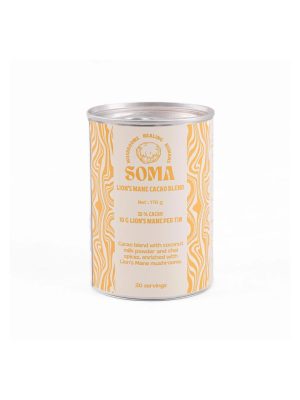


There is no one-size-fits-all approach to taking Lion’s Mane. The right dosage and timing can depend on the supplement format, concentration of the extract, and your own wellness goals.
Most supplement brands offer Lion’s Mane in daily doses ranging from 250 mg to 2000 mg. Some blends include additional nootropics or adaptogens, which can affect the ideal serving size. It’s important to follow the label instructions of the specific product and avoid exceeding the suggested dose.
Whole mushroom powders often require higher amounts than concentrated extracts to achieve a similar effect, due to lower bioavailability.
Many people take Lion’s Mane in the morning or early afternoon, often alongside their first meal or coffee. This timing aligns with its role in supporting focus, clarity, and mental stamina during the day.
Taking Lion’s Mane on an empty stomach is generally well tolerated, though some may prefer pairing it with food to avoid any mild digestive sensitivity.
Lion’s Mane is typically taken daily for best results. Consistent use is key for those looking to support long-term cognitive function or overall brain health. Occasional use may still provide benefit, especially when used during periods of mental demand or creative work, but most users report noticeable effects with ongoing supplementation over weeks or months.
Lion’s Mane is generally considered safe for most people when used appropriately. However, as with any supplement, individual reactions can vary.
For healthy adults, daily use of Lion’s Mane is commonly well tolerated. It has a long history of traditional use and has been the subject of numerous safety studies. That said, individual sensitivities may still occur, particularly when taking high doses or concentrated extracts.
If you’re new to functional mushrooms, starting with a lower dose can help assess tolerance.
Though uncommon, some users have reported:
These effects are typically mild and temporary. Discontinuing use usually resolves any discomfort.
As always, consult a healthcare provider if you have underlying conditions or are taking prescription medications.
Lion’s Mane is often compared to other well-known mushrooms like Reishi, Cordyceps, and Chaga, which all have their own distinct profile and purpose.
Many people cycle or combine these mushrooms depending on their needs. Lion’s Mane often serves as a daily cognitive base, while others are layered in to target stress, sleep, or stamina.

Lion’s Mane has wide appeal, but it’s especially popular among those who want gentle, consistent support for mental clarity and productivity.
Whether you’re working in a fast-paced environment, leading creative projects, or managing multiple responsibilities, Lion’s Mane is often chosen by those seeking sharper mental presence without overstimulation.
The mushroom’s link to learning, memory, and sustained focus makes it an appealing supplement for students, researchers, designers, coders, and knowledge workers.
Its low barrier to entry also makes it a useful first step into the world of cognitive wellness.
Some users report turning to Lion’s Mane to support mental clarity, especially when experiencing brain fog after using cannabis or CBD products. While not a cure or treatment, it may help users feel more grounded and focused post-consumption.
It’s a non-psychoactive option that fits well into a cannabis-aware lifestyle focused on intention and balance.
It supports focus, memory, and long-term brain health.
Many users report improved attention and mental clarity.
Some feel effects in days; most notice benefits after a few weeks.
Yes, it’s commonly taken daily for consistent support.
Yes, it’s a legal dietary supplement in most countries.
Many people use it to feel clearer and more mentally alert.
Lion’s Mane stands out as one of the most accessible and well-regarded functional mushrooms, appreciated for its cognitive support, ease of use, and adaptability to different lifestyles. Whether you’re a student, a creative, or simply someone looking to feel a bit more mentally clear, it offers a calm, consistent addition to daily life.
If you’re considering trying Lion’s Mane, start with a format that feels natural, and give it time to become part of your rhythm.
Special offer
Discover the best CBG strains to try, from premium Platinum Cookies CBG to fruity Purple Punch and classic Blue Dream with a fresh CBG twist.

Puffco Plus, Peak, Peak Pro, or Proxy? Compare the main Puffco vaporizers and choose the best one for your budget, setup, and use style.

Not sure which herbal blend to choose? Take this fun personality test and find the tobacco-free blend that matches your mood, taste, and vibe.